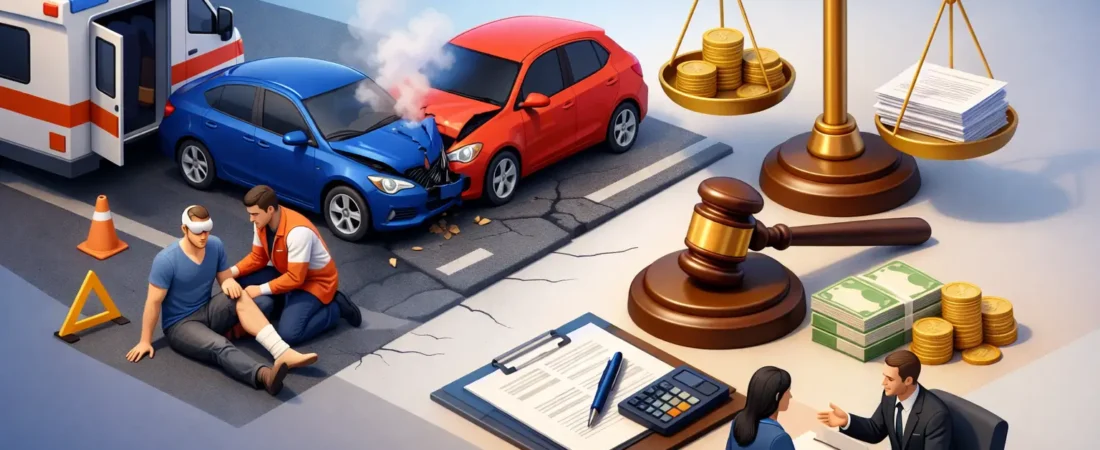
A passenger can be seriously hurt without having done anything wrong. Yet after a Minnesota crash, many passengers are left wondering: can passengers recover compensation if they were not driving? In most cases, yes. You may have access to no-fault benefits for immediate losses and, when injuries meet Minnesota’s legal threshold, a claim against the at-fault driver for broader damages.
The driver’s insurance company may sound helpful at first. That does not mean its offer reflects the full cost of your injuries. Medical care, missed work, pain, and a long recovery can add up quickly. You do not have to sort through insurance calls, coverage disputes, and paperwork alone.
Can Passengers Recover Compensation in Minnesota?
Passengers generally have the same right to pursue injury compensation as drivers. The key question is not whether you were behind the wheel. It is how the crash happened, how serious your injuries are, what insurance applies, and whether another person or company caused the collision.
Minnesota is a no-fault insurance state. That means the first source of payment for many injured people is Personal Injury Protection, often called PIP or no-fault coverage. PIP can help pay certain economic losses regardless of who caused the accident.
Depending on the available policy and your circumstances, PIP benefits may cover medical expenses, a portion of lost income, replacement services when injuries prevent you from handling household tasks, and funeral expenses in fatal crash cases. The applicable coverage may come from your own auto policy, a policy held by a household family member, or the policy covering the vehicle you occupied. Determining the correct policy is not always straightforward, especially when multiple vehicles and insurers are involved.
PIP is valuable, but it does not cover everything. It generally does not pay for pain, emotional distress, or the full financial impact of a serious injury. That is where a liability claim may become necessary.
When Can a Passenger Make a Claim Against the At-Fault Driver?
Minnesota law limits when an injured person can step outside the no-fault system and seek pain-and-suffering damages from an at-fault driver. A passenger may be able to bring that claim when the injury meets a legal threshold, such as more than $4,000 in medical expenses, a disability lasting 60 days or more, permanent injury, permanent disfigurement, or death.
Meeting a threshold is not automatic just because treatment was expensive or recovery took time. Insurers often scrutinize medical records, prior injuries, treatment gaps, and whether the crash truly caused the condition. They may argue that your pain was preexisting or that you recovered more quickly than you claim.
A strong claim connects the facts of the collision to the medical evidence and the real effect the injury has had on your daily life. For example, a passenger with a back injury may need more than an emergency room record. Follow-up visits, imaging, physical therapy records, work restrictions, and testimony about missed activities can all help show the full picture.
If another driver caused the crash, that driver’s liability insurance may be responsible. If the driver of the car you were riding in caused it, you may still have a claim against that driver’s insurance. It can feel uncomfortable to make a claim involving a friend or relative, but in most cases the claim is made against available insurance coverage, not that person’s personal bank account.
Compensation May Come From More Than One Source
A passenger injury claim can involve several layers of coverage. This is common after multi-car collisions, rideshare crashes, or accidents involving uninsured drivers. The available options depend on the facts, but may include PIP benefits, the at-fault driver’s liability coverage, uninsured or underinsured motorist coverage, and coverage connected to a rideshare company.
Uninsured motorist coverage can matter when the at-fault driver has no insurance. Underinsured motorist coverage may apply when the driver who caused the collision has insurance, but the policy limit is not enough to fairly cover serious losses. These claims often become more complicated because your own insurer may challenge the value of the case even though you have paid premiums for protection.
Rideshare claims require extra attention. If you were a passenger in an Uber or Lyft, coverage can depend on whether the ride was accepted, whether the trip was underway, and which driver caused the collision. Do not assume the first insurer that contacts you has identified every available policy.
What if the Passenger Was Not Wearing a Seat Belt?
Not wearing a seat belt does not erase a passenger’s right to seek compensation. However, the defense may argue that the failure to use a seat belt made the injuries worse. Minnesota has rules governing how seat belt evidence may be used, and the issue can be legally technical.
The same is true when a passenger knew the driver had been drinking, was distracted, or was driving aggressively. These facts may give insurers arguments, but they do not automatically end the case. An attorney should review the situation before you accept blame or give a recorded statement.
You should also be cautious if the driver was a family member, friend, or co-worker. Personal relationships can create pressure to minimize the claim. Your health and financial stability still matter. A careful claim can protect your rights while allowing the insurance process to work as intended.
Steps to Protect a Passenger Injury Claim
The early days after a crash can shape the strength of your case. Get medical attention promptly, even if symptoms seem manageable at first. Head injuries, neck injuries, and soft-tissue damage may become more apparent over the following days.
Report the accident and obtain a copy of the crash report when it is available. Keep records of medical visits, prescriptions, mileage to appointments, work absences, and out-of-pocket costs. If you have photographs of bruising, visible injuries, the vehicles, or the crash scene, save them in more than one place.
Be careful with insurance adjusters. You can provide basic information needed to open a claim, but you are not required to guess about fault, downplay pain, or agree to a recorded statement before you understand your rights. A quick settlement may sound like relief when bills are arriving. It can also close your claim before doctors know the full extent of your injury.
Avoid posting about the crash, your activities, or your recovery on social media. Insurers may look for content they can use to argue that your injuries are less limiting than your medical records show.
Why Legal Help Can Matter for Injured Passengers
Passenger cases can look simple from the outside because the passenger did not cause the collision. In reality, liability disputes, coverage priority, medical proof, and policy limits can make them difficult. The more serious the injury, the more likely the insurance company is to challenge the claim.
A Minnesota personal injury lawyer can identify available insurance, manage insurer communications, gather medical and crash evidence, calculate lost income, and prepare the case for settlement or trial. If an insurer refuses to make a fair offer, a trial-ready approach gives you meaningful leverage.
At Best Injury Lawyer Minnesota, we help injured passengers understand their options through a free case review. There is no upfront fee, and you pay no attorney fee unless we recover compensation for you. We handle the insurance companies and the paperwork so you can focus on healing.
After a crash, do not let the fact that you were only a passenger make you think your injuries matter less. Get the care you need, preserve what you can, and ask for legal guidance before an insurer decides what your recovery is worth.