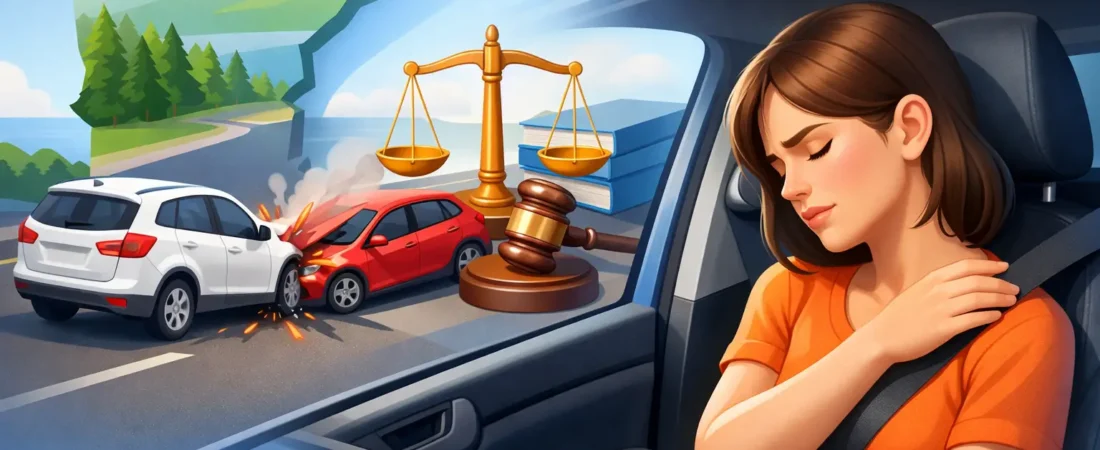
A passenger can suffer the same serious injuries as a driver, yet many passengers hesitate to pursue a claim because they do not want to blame a friend, relative, or rideshare driver. Passenger injury liability is not about creating conflict. It is about identifying the available insurance coverage and making sure you have the resources to pay medical bills, replace lost income, and recover from the crash.
Minnesota law gives injured passengers meaningful protections through no-fault insurance, but the process can become complicated when multiple vehicles, policies, or insurers are involved. You do not have to sort it out alone. A personal injury lawyer can take over the insurance calls, preserve the evidence, and pursue the compensation your injuries justify.
How Passenger Injury Liability Works in Minnesota
In most Minnesota traffic crashes, an injured passenger has two separate paths to benefits. The first is a no-fault claim for Personal Injury Protection, commonly called PIP. The second may be a liability claim against the driver or drivers who caused the collision.
PIP benefits are available without first proving who caused the wreck. They can help cover medical treatment, wage loss, replacement services, and certain other expenses up to the policy limits. Minnesota policies generally provide at least $40,000 in PIP coverage, with separate limits for medical expenses and income loss or replacement services. The policy that applies first depends on the facts of the crash and the insurance available in your household.
A liability claim is different. This claim seeks damages from the at-fault party’s insurance company. It may cover pain and suffering, emotional distress, future medical care, lost earning capacity, and other losses that PIP does not fully address. In Minnesota, injured people generally must meet a legal injury threshold before pursuing non-economic damages from an at-fault driver. Serious injuries, substantial medical expenses, permanent injury, disfigurement, death, or a disability lasting 60 days or more may satisfy that threshold.
The key point is simple: being a passenger does not mean you have fewer rights. In many cases, passengers have a clearer liability claim because they were not driving either vehicle.
Whose Insurance Pays for an Injured Passenger?
The answer depends on the vehicles, drivers, and policies involved. The driver of the car you were riding in may be responsible, another motorist may be responsible, or both drivers may share fault. A crash investigation matters because insurance companies often try to shift blame when more than one vehicle is involved.
Your claim may involve the insurance coverage of the driver who hit your vehicle, the driver of your vehicle, your own auto policy, or a policy held by a household member. Uninsured and underinsured motorist coverage can also become crucial when the at-fault driver has little insurance or no insurance at all.
For example, if a distracted driver rear-ends the car you are riding in, the distracted driver’s liability coverage may be responsible for your damages. If your own driver ran a red light, that driver’s liability coverage may apply instead. If both drivers made mistakes, each insurer may have a share of responsibility.
You are usually making a claim against insurance coverage, not personally taking money from someone you care about. That distinction matters, particularly when the at-fault driver is a friend or family member. The insurer still has a duty to evaluate the claim, and you still deserve fair treatment.
Rideshare Passenger Claims Can Involve More Coverage
Uber and Lyft passengers may have additional insurance coverage available when the driver is actively transporting a passenger. However, rideshare claims can involve the driver’s personal insurer, the rideshare company’s commercial policy, another driver’s insurer, and your own PIP coverage. Each company may point to another policy or dispute how the collision happened.
Do not accept the first explanation you receive from an insurer. Before you give a recorded statement or sign a release, it is wise to understand every possible source of coverage.
What Compensation Can a Passenger Recover?
The value of a passenger injury claim depends on the severity of the injury, the available insurance limits, the impact on work and daily life, and the strength of the evidence. There is no honest one-size-fits-all settlement number.
PIP may provide early help with treatment and lost income, but it does not erase the full impact of a serious crash. Once the legal threshold is met, a liability claim may seek compensation for medical expenses not paid by PIP, future treatment, lost wages, reduced ability to earn income, physical pain, and the ways an injury changes your life.
A passenger with a concussion, broken bone, neck injury, or back injury may need care long after the emergency room visit. Follow-up appointments, physical therapy, specialist care, medication, and time away from work can add up quickly. Documenting those losses is not paperwork for its own sake. It is how your claim reflects what the crash actually cost you.
What to Do After a Crash as a Passenger
Your health comes first. Get medical attention promptly, even if you believe the pain will pass. Some injuries, especially concussions, soft-tissue injuries, and internal injuries, may become more apparent in the hours or days after a collision.
If you can do so safely, save the information connected to the crash. That includes the police report number, driver names, insurance details, photos of the vehicles and scene, names of witnesses, and screenshots of rideshare trip information. Keep copies of medical records, bills, receipts, work restrictions, and notices from insurance companies.
Avoid guessing about fault when you speak with an adjuster. You can report the basic facts of the crash, but you do not need to give a recorded statement to the other driver’s insurer before you understand your rights. Adjusters may sound concerned while still looking for statements they can use to reduce the claim.
It is also usually too early to accept a quick settlement while you are still treating. Once you sign a release, you generally cannot return for more money if your condition worsens or doctors recommend additional care. A fair evaluation requires a clear picture of your injuries and prognosis.
When Passenger Injury Liability Gets More Complicated
Some cases need immediate legal attention. This is especially true when a drunk or impaired driver caused the crash, the at-fault driver fled the scene, a commercial vehicle was involved, or several people were injured under limited insurance coverage. Evidence can disappear quickly, and policy limits may be divided among multiple claimants.
Passenger conduct can also become an issue in limited situations. An insurer may argue that a passenger knowingly rode with an impaired driver or otherwise contributed to the harm. Those arguments are fact-specific and do not automatically eliminate a claim. Do not let an insurer’s accusation convince you that you have no case without getting legal advice.
If a loved one died as a passenger, the family may have additional rights through a wrongful death claim. These cases require careful handling because the losses extend far beyond medical bills and because legal deadlines can apply.
Get Help Before the Insurance Company Sets the Terms
Insurance companies handle injury claims every day. You should not have to manage their requests, deadlines, and settlement pressure while trying to heal. Best Injury Lawyer Minnesota helps injured passengers understand their PIP benefits, identify all available insurance coverage, and build a trial-ready claim when an insurer refuses to be fair.
There is no upfront fee for a case review, and you pay no attorney fee unless we recover compensation for you. If you were hurt while riding in a car, motorcycle, Uber, Lyft, or other vehicle, getting clear answers early can protect your claim and give you room to focus on healing.