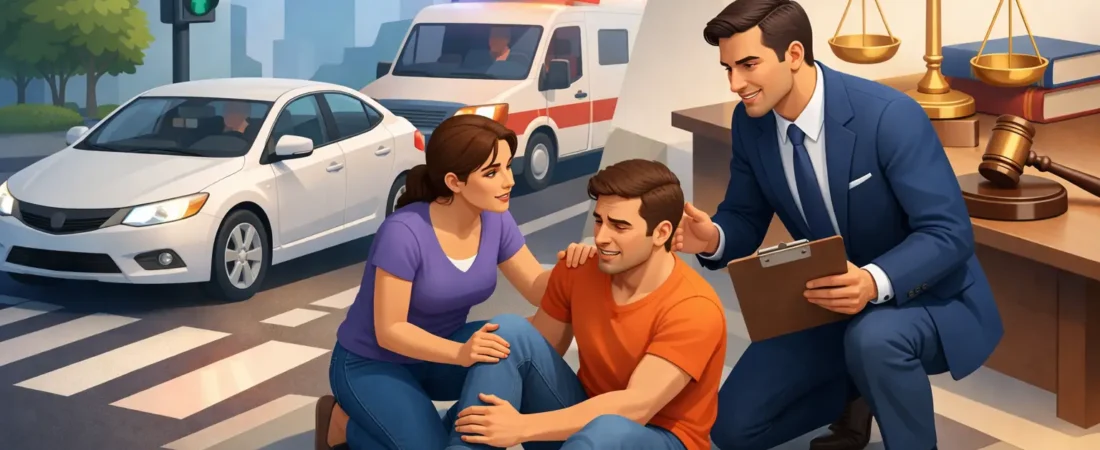
A pedestrian accident attorney can step in when a walk across a crosswalk, parking lot, or neighborhood street turns into a serious injury claim. Pedestrians have no seat belt, airbag, or vehicle frame to absorb the force of a collision. A driver may call the crash minor or blame the person on foot, while medical bills, missed work, and pain keep building. You do not have to sort out insurance calls and legal deadlines while trying to heal.
At Best Injury Lawyer Minnesota, we help injured pedestrians take control of the claims process. We investigate what happened, preserve the evidence, deal with insurance companies, and pursue the compensation available under Minnesota law. There is no upfront fee, and you pay attorney fees only if we recover compensation for you.
Why pedestrian accident claims become difficult quickly
Drivers and insurers often start looking for ways to shift fault. They may argue that a pedestrian crossed outside a crosswalk, wore dark clothing, appeared suddenly, or should have seen the vehicle coming. Those details can matter, but they do not automatically excuse a driver who was speeding, distracted, turning without checking a crosswalk, or failing to yield.
The evidence that answers those questions can disappear fast. Nearby business video may be overwritten. A damaged bicycle, torn clothing, or a driver’s vehicle can provide useful proof, but repairs and disposal can erase it. Witnesses move on and memories fade. The sooner an attorney can identify and preserve evidence, the stronger the case may be.
Pedestrian injuries can also be more serious than they first appear. A person may leave an emergency room believing they have only bruises, then develop ongoing neck pain, a concussion, knee damage, nerve symptoms, or emotional trauma that makes walking near traffic difficult. An early insurance settlement may not account for treatment, lost earning capacity, or daily limitations that have not yet become clear.
What a pedestrian accident attorney does for you
The right legal help should reduce your burden, not add to it. After a pedestrian crash, your attorney should take over communications with adjusters and build the claim around the real impact of the injury.
That work often includes obtaining the police report, photographs, surveillance footage, 911 records, witness statements, and medical documentation. Depending on the facts, it may also involve reviewing vehicle damage, roadway design, traffic signals, cell phone records, and data from a vehicle’s onboard system. If the driver was working, delivering goods, or driving for a rideshare company, there may be additional insurance and liability issues to investigate.
Your lawyer also tracks damages that are easy to overlook in the first weeks after a crash. These may include medical expenses, future care, lost income, reduced ability to work, pain and suffering, scarring, and the help you need at home while recovering. Every claim is different. The goal is not to attach a number to your case before the facts are known. It is to make sure the insurance company does not define the value of your injury on its own terms.
Minnesota no-fault benefits after a pedestrian crash
Minnesota’s no-fault system can be confusing because you may have access to Personal Injury Protection, or PIP, benefits even when you were walking rather than driving. PIP can help pay certain medical expenses, wage loss, replacement services, and other covered losses, regardless of who caused the crash.
Which policy applies depends on the circumstances. Coverage may come through your own auto policy, a policy held by someone in your household, or another source when no household policy is available. The driver’s insurer is not necessarily the first insurer responsible for your no-fault benefits. This is one reason pedestrians should avoid accepting an insurer’s first explanation of coverage without getting advice.
PIP is valuable, but it does not necessarily cover the full cost of a serious injury. In many cases, an injured pedestrian may also bring a claim against the at-fault driver for damages not fully addressed by no-fault benefits. Minnesota law has injury thresholds that can affect when a person may pursue certain damages, and the facts matter. A lawyer can assess the available policies, deadlines, injury documentation, and the path that makes sense for your claim.
Fault is not always all-or-nothing
Minnesota uses a comparative fault system. That means a pedestrian can sometimes recover compensation even if they are found partly responsible for the crash. The amount may be reduced by the pedestrian’s percentage of fault, and a person who is more at fault than the other party may be barred from recovery in a claim against that party.
This is why casual statements made at the scene can create problems. Saying “I’m sorry” or “I did not see the car” may be a natural response after a frightening collision, but insurers can later use those words to argue fault. Be honest with police and medical providers, but do not guess about speed, signal timing, visibility, or what the driver was doing before the impact.
Common pedestrian crash situations include drivers turning across a crosswalk, backing out of parking spaces, failing to yield at intersections, running red lights, speeding through residential areas, and driving distracted or impaired. Weather, darkness, road construction, and poorly marked crossings can complicate the investigation. Those facts do not make a case impossible. They make a careful investigation more necessary.
What to do after a pedestrian accident
Your health comes first. Seek medical care promptly, follow treatment recommendations, and tell your providers about every symptom, including headaches, dizziness, sleep changes, anxiety, and pain that affects work or normal activities. Medical records connect your injuries to the crash and help show why ongoing treatment is necessary.
If you are able, save photographs of injuries, clothing, shoes, personal property, and the crash location. Keep copies of medical bills, prescription receipts, work restrictions, and documentation of missed time from work. Do not repair or throw away damaged items before checking with an attorney.
You should also be cautious when an insurance adjuster requests a recorded statement or offers a quick settlement. The adjuster may sound helpful, but their job is to protect the insurer’s financial interests. You can ask them to communicate with your attorney instead. Once you have representation, you should not have to handle those conversations alone.
When to call a pedestrian accident attorney
It is wise to speak with an attorney as soon as possible after any pedestrian collision that causes injury, even if you are unsure how serious the injury will become. Fast legal help is especially important when the driver denies fault, the police report seems inaccurate, there is a hit-and-run, a commercial vehicle or rideshare vehicle was involved, or the insurer is questioning treatment.
You should also get help if you are missing work, facing medical bills, or receiving calls that make you feel pressured to settle. A free case review can give you clear answers about the next steps without requiring you to commit to a claim.
A pedestrian crash can leave you hurt, overwhelmed, and worried about what comes next. Let a Minnesota attorney handle the insurance companies and paperwork while you focus on healing. The earlier you protect the evidence and understand your options, the more room you have to make decisions based on your recovery rather than an insurer’s timeline.