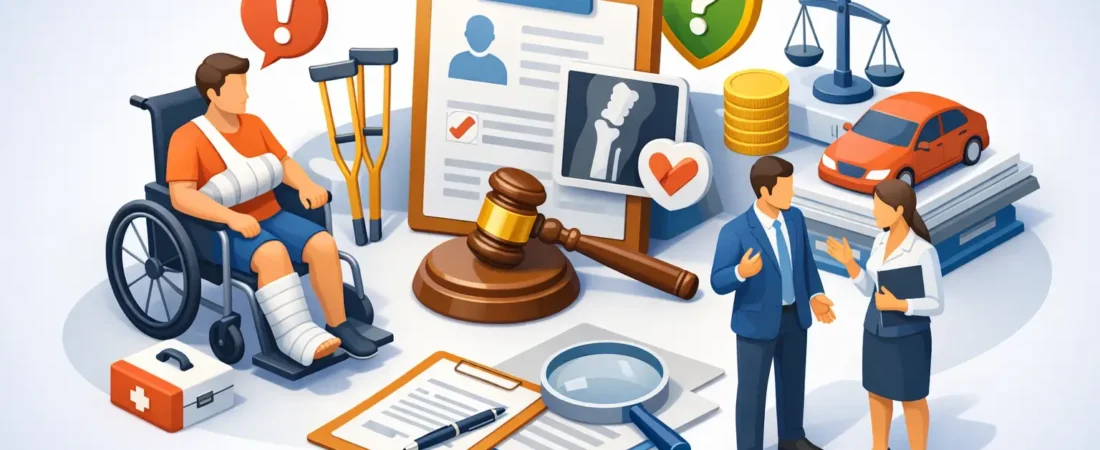
A crash can feel finished the moment the vehicles stop moving. Then a call comes in – someone says they were hurt, or an insurance adjuster asks for a statement, or medical bills start showing up. If you are wondering what happens when someone claims injury in a car accident, the short answer is this: the case shifts from a property damage problem to an injury claim, and that changes everything.
In Minnesota, that change matters fast. Injury claims can involve no-fault benefits, medical records, wage loss documentation, fault disputes, and pressure from insurance companies that want to limit what they pay. Knowing the basic process helps you protect yourself and avoid mistakes early on.
What happens when someone claims injury in a car accident?
Once an injury claim is raised, insurers start looking at more than vehicle repairs. They want to know who was involved, what treatment was needed, whether the injuries were caused by the crash, and how much money may be at stake. Even when the accident seemed minor, the claim process can become serious very quickly.
Usually, the first phase is investigation. Insurance companies collect the crash report, photos, statements, repair estimates, and policy details. If injuries are being claimed, they also begin reviewing medical treatment, prior injuries, and the timing of symptoms. This is one reason early statements matter. Something said casually in the first few days can be used later to challenge the claim.
If you are the injured person, your own no-fault coverage may come into play before any liability claim against the other driver. If you are the driver being blamed, your liability carrier will usually step in to investigate and defend the claim within your policy limits. Either way, the case becomes about evidence, documentation, and insurance strategy.
In Minnesota, no-fault insurance changes the process
Minnesota is a no-fault state for car accidents. That means your own Personal Injury Protection, or PIP, coverage generally pays certain losses first, no matter who caused the crash. PIP can help cover medical bills, part of lost wages, and replacement services in qualifying situations.
This catches many people off guard. They expect the at-fault driver’s insurer to immediately pay everything. That is not usually how it starts here. Your own insurer often handles the first layer of injury-related benefits, and then a claim against the other driver may follow if the injuries are serious enough under Minnesota law.
That second part matters. Not every injury claim automatically becomes a pain and suffering case against the other driver. In Minnesota, there are threshold requirements that can affect whether an injured person can pursue certain damages beyond no-fault benefits. The facts, the medical records, and the level of injury all matter.
What insurance companies look for
When someone claims injury after a crash, insurers focus on consistency. They compare the accident report, vehicle damage, medical treatment timeline, and what each person said happened. If the story lines up, the claim is easier to value. If it does not, they look for reasons to reduce or deny payment.
They also look closely at treatment gaps. If someone says they were badly hurt but waited weeks to see a doctor, the insurer may argue the injury was not caused by the crash or was not serious. The same goes for preexisting conditions. A prior neck injury does not defeat a claim automatically, but it can become a major point of dispute.
Social media, text messages, and surveillance can also become relevant in some cases. Insurance companies are not just checking whether a person went to the hospital. They are building a position on how injured that person really is and what the claim may be worth.
If you are the injured person, here is what usually comes next
The claim typically builds around treatment and proof. You get evaluated, follow medical advice, and document how the injury affects your work and daily life. Your insurer may open a PIP claim, ask for wage verification, and request medical authorizations. The other side’s insurer may contact you too.
This is where many injured people feel overwhelmed. The crash already disrupted your life, and now you are being asked for forms, statements, records, and deadlines. You do not have to face it alone. A lawyer can step in early, handle the insurance companies and the paperwork, and make sure the claim is being documented the right way from the start.
A good injury claim is not built on frustration. It is built on evidence. Medical records, provider opinions, missed work documentation, prescriptions, mileage, imaging, and testimony about pain and limitations can all matter. The stronger the paper trail, the harder it is for an insurer to minimize what happened.
If you are the driver accused of causing the injury
If someone else says you injured them, your insurance company will usually defend the claim. That does not mean every claim is valid, and it does not mean the amount demanded is automatically reasonable. It means your insurer will investigate liability, review the injuries being alleged, and try to resolve the matter under your policy.
You should notify your insurer promptly and cooperate, but be careful about guessing, exaggerating, or trying to argue your way through the facts. Stick to what you know. If there is a lawsuit, your insurer may appoint defense counsel to represent you.
If the injuries are severe and claimed damages exceed your policy limits, the situation can become more serious. That is one reason prompt reporting and careful handling from the beginning are so important.
When a claim moves toward settlement
Most injury claims do not go straight to court. They move through treatment, documentation, and negotiation first. Once the injured person reaches a more stable point medically, a settlement demand may be sent with records, bills, wage loss information, and an explanation of the harm caused by the crash.
The insurer then reviews the demand and responds. Sometimes that response is reasonable. Sometimes it is not. Low initial offers are common, especially when the insurer believes the injured person is unrepresented, still treating, or unsure how Minnesota no-fault rules interact with a liability claim.
Settlement value depends on several factors. The biggest ones are usually the severity of the injury, how clear liability is, the amount of medical treatment, whether there is lasting impairment, how much work was missed, and how credible the supporting records are. There is no universal payout chart that fairly predicts every case.
When the injury claim becomes a lawsuit
If settlement does not happen, the next step may be filing suit. That does not always mean trial is around the corner. It means the dispute is formal now. Both sides can request documents, take depositions, question medical providers, and bring in experts if needed.
This stage puts pressure on weak claims, but it also exposes weak defenses. If an insurer has been downplaying a legitimate injury, litigation can force a more honest evaluation. Trial-ready preparation matters because insurance companies often pay more attention when they know the injured person is prepared to prove the case.
For Minnesota injury victims, local experience helps here. No-fault issues, threshold disputes, and insurer tactics are not just abstract legal concepts. They affect how a case is built, negotiated, and presented.
Common mistakes that hurt injury claims
The biggest mistake is waiting too long to act. Delayed treatment, delayed reporting, and missing paperwork deadlines all create openings for insurers to challenge the case. Another common problem is giving recorded statements without understanding how they may be used later.
People also underestimate the importance of following through with treatment. If you stop care too early or ignore medical advice, the insurer may say you were not truly injured or recovered quickly. That may be inaccurate, but it is a predictable argument.
Finally, many people assume the insurance company will simply do the right thing once records are provided. Sometimes that happens. Often, it does not. Insurance companies are businesses. Their job is to evaluate exposure and control payouts.
Why early legal help can change the outcome
When someone claims injury in a car accident, the early days shape the case. Evidence is easier to preserve. Witness memories are fresher. Insurance communications can be managed before avoidable mistakes pile up. If you are hurt, having someone protect the claim while you focus on healing can make a real difference.
That is especially true in Minnesota, where no-fault benefits, liability claims, and injury thresholds can overlap in ways that confuse people who are already dealing with pain and financial stress. Best Injury Lawyer Minnesota helps injured people take control of that process by dealing directly with insurers, gathering the right proof, and pushing for full compensation.
If an injury claim has entered your life after a crash, do not treat it like a routine fender bender problem. The right next step is getting clear advice early, before the insurance company decides what your case is worth for you.