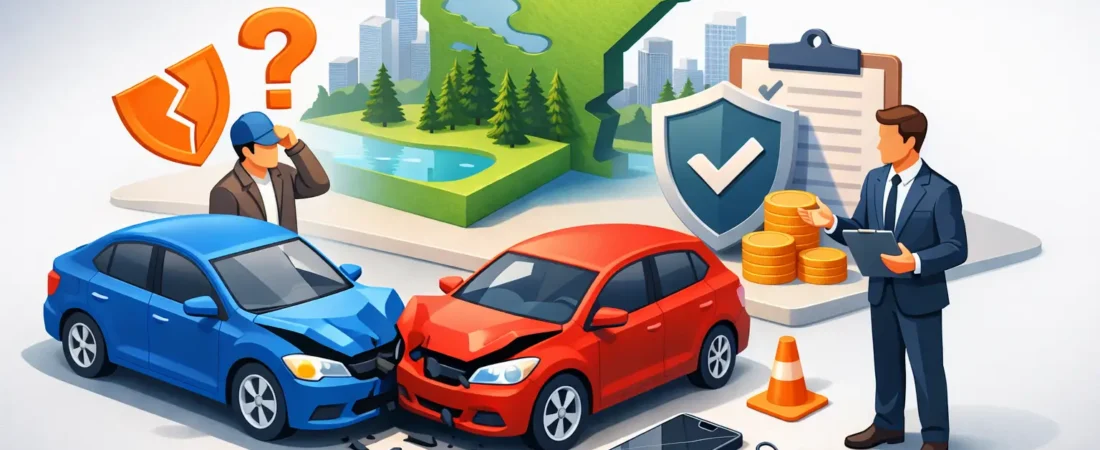
The crash is over, your body hurts, and then you hear the words that make everything worse: the other driver has no insurance. If you are asking what if other driver uninsured in Minnesota, the short answer is this – you may still have coverage, but you need to move carefully and fast.
Minnesota has a no-fault insurance system, which changes what happens after a car accident. That system can protect you, but it can also confuse people when bills start piling up and the at-fault driver has nothing to offer. The good news is that you do not have to figure it out alone.
What if other driver uninsured after a Minnesota crash?
In many cases, your own auto policy becomes the first place to look. Minnesota drivers are generally required to carry personal injury protection, also called PIP, and uninsured motorist coverage. Those coverages can help pay for medical expenses, wage loss, and other damages even when the other driver broke the law by driving uninsured.
That does not mean your claim will be easy. Your own insurance company may still question treatment, delay payment, or push for a cheap resolution. People are often surprised by that. They assume their insurer will simply step up and do the right thing. Sometimes it does. Sometimes it does not.
Minnesota no-fault coverage usually comes first
After most car crashes in Minnesota, you start with your own no-fault benefits, no matter who caused the wreck. That is where PIP comes in. PIP typically covers medical bills and part of lost wages up to your policy limits.
This matters because when the other driver is uninsured, you still need a way to pay for immediate care. Ambulance charges, emergency room visits, follow-up appointments, physical therapy, and time away from work can add up fast. PIP is designed to give you a first layer of protection while the larger claim gets sorted out.
But PIP has limits. It may not cover everything, especially if your injuries are serious. It also does not pay for pain and suffering. If your losses go beyond no-fault benefits, that is when an uninsured motorist claim may become a major part of the case.
How uninsured motorist coverage can help
Uninsured motorist coverage, often called UM coverage, is meant for exactly this situation. If the at-fault driver has no insurance, your UM coverage may compensate you for damages that driver should have paid.
That can include medical expenses beyond PIP, lost income, pain and suffering, and other losses tied to the crash. In a real claim, though, the amount available depends on your policy limits, the facts of the collision, and the strength of the evidence showing the uninsured driver caused your injuries.
This is one of the biggest pressure points in these cases. The other driver may be clearly at fault, but your own insurer may still look for ways to reduce the payout. It may dispute fault. It may argue that your injuries were preexisting. It may say your treatment was excessive. That is why documentation matters from day one.
What to do right away if the other driver has no insurance
Start by getting medical care as soon as possible. If you delayed treatment because you hoped the pain would go away, the insurance company may later use that gap against you. Your health comes first, and prompt records help prove the crash caused your injuries.
You should also report the accident to law enforcement and make sure a crash report exists. If the other driver admits they have no insurance, that detail should be documented if possible. Take photos of the vehicles, the scene, your injuries, and any visible road conditions. If there are witnesses, get their names and contact information.
Then notify your own insurance company, but be careful about what you say. Give the basic facts. Do not guess about your injuries. Do not minimize how you feel. And do not accept a recorded statement without understanding how it may affect your claim.
If you are badly hurt, missing work, or getting pushback from an insurer, legal help can make a real difference early on. A lawyer can preserve evidence, handle the insurance adjusters, and make sure the uninsured motorist claim is built the right way.
What if other driver uninsured and you were not driving?
This question comes up more than people expect. Maybe you were a passenger in someone else’s car. Maybe you were riding in an Uber or Lyft. Maybe you were walking or biking when an uninsured driver hit you.
Minnesota no-fault rules can still provide options, but the order of available coverage may change depending on the situation. For example, a passenger may have access to PIP through the vehicle they were in, their own policy, or a household policy. Pedestrians and bicyclists may also have coverage routes that are not obvious at first glance.
These cases are very fact-specific. The answer depends on whose vehicle was involved, what policies exist, and how the crash happened. That is one reason quick legal review matters. A missed policy can mean missed compensation.
Can you sue an uninsured driver?
Sometimes, yes. But whether it makes financial sense is another matter.
A driver who went without insurance may also have very few assets. Winning a lawsuit is one thing. Collecting the money is another. In many cases, the more practical path is pursuing the insurance coverage that is actually available, especially uninsured motorist benefits under your own policy.
Still, there are situations where a lawsuit should be considered. If the driver has assets, was working at the time of the crash, or another party may share responsibility, there may be additional paths to recovery. For example, a vehicle owner, employer, or business may have exposure depending on the facts.
The key is not to assume there is only one source of compensation. Uninsured driver cases often require a broader investigation than a standard crash claim.
Common problems in uninsured driver claims
These cases often look simple from the outside. In practice, they can become a fight over details.
One issue is proof. If the uninsured driver fled, gave false information, or later denied fault, your case may depend heavily on witness statements, scene evidence, vehicle damage, and medical records. Another issue is policy interpretation. Insurance companies sometimes argue over which policy applies first and how much is owed under each coverage part.
There is also the problem of timing. Minnesota claims are controlled by deadlines, notice requirements, and policy terms. If you wait too long, miss a procedural step, or give the insurer inconsistent information, it can hurt the value of the case.
That is why these claims should be handled like serious legal matters, not just paperwork. The insurer is evaluating risk. You need someone evaluating leverage, evidence, and the full value of what the crash has cost you.
When to talk to a lawyer
If your injuries are more than minor soreness, it is smart to speak with a lawyer early. The same is true if the insurer is delaying benefits, asking for broad medical authorizations, disputing fault, or making you feel like you are the one on trial.
A Minnesota injury lawyer can identify all available coverage, deal with adjusters, gather medical records and wage documentation, and push for full compensation rather than a quick payout. Just as important, you get someone who understands how Minnesota no-fault law and uninsured motorist claims actually work in local practice.
At Best Injury Lawyer Minnesota, this is the kind of pressure we step in to handle. You should not have to manage insurance tactics while trying to heal.
The question is not just who caused the crash
When the other driver has no insurance, people often feel like they are out of options. That is not always true. The better question is what coverage exists, what evidence supports the claim, and what it will take to recover the full amount you need.
If you are hurt, missing work, or staring at medical bills after a crash with an uninsured driver, take it seriously from the start. Protect your health, protect the record, and get help before the insurance company defines the case for you. You do not have to face it alone, and the right steps now can make a lasting difference in what happens next.