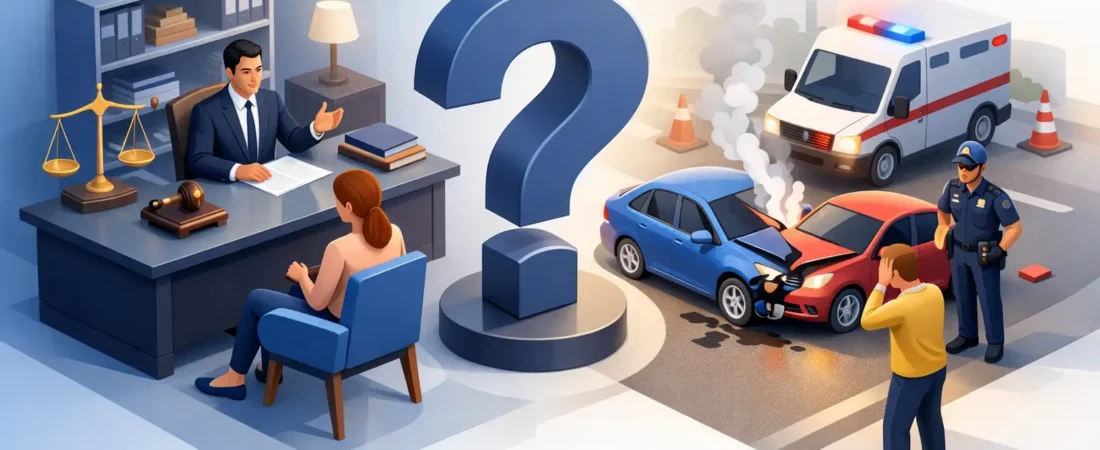
The insurance adjuster is calling, your car is in the shop, and your body hurts more today than it did yesterday. That is usually the moment people start asking, when should i hire accident attorney after a crash? In Minnesota, the answer is often sooner than you think, especially when medical bills, lost income, or insurance disputes start piling up.
A lot of injured people wait because they assume they should only call a lawyer if the case is headed to court. That is not how most accident claims work. In reality, early legal help can protect evidence, stop insurance pressure, and keep a manageable claim from turning into a mess.
When should I hire an accident attorney after a Minnesota crash?
If you were hurt and the accident caused more than minor inconvenience, it is smart to speak with an attorney as soon as possible. That does not mean every fender bender needs a lawsuit. It means you should get legal guidance early enough to avoid mistakes that can reduce your compensation.
In Minnesota, no-fault insurance adds another layer. Your own Personal Injury Protection, or PIP, may cover medical expenses and wage loss up to certain limits regardless of who caused the crash. That sounds simple until benefits are delayed, treatment is questioned, or your injuries turn out to be more serious than they looked at first. A lawyer can step in before the insurer defines your case on its terms.
The best time to hire an attorney is usually when one of two things happens. First, you realize the injury is affecting your health, work, or daily life in a real way. Second, the insurance company starts making the process harder than it should be.
Signs you should not wait
Some situations are clear warning signs that you should get legal help now, not later. One is any accident involving significant injury. If you have broken bones, a concussion, back or neck injuries, surgery, permanent symptoms, or a long recovery, the stakes are too high to handle casually.
Another is missed work. Once your paycheck is affected, your claim is no longer just about a repair estimate and one urgent care visit. You may be dealing with wage loss documentation, ongoing treatment, and questions about future recovery. Those details matter, and they are often where insurers start pushing back.
You should also call an attorney if fault is being disputed. Maybe the other driver changed their story. Maybe there were multiple vehicles. Maybe you were a pedestrian, motorcyclist, or rideshare passenger and now everyone is pointing at someone else. The longer that confusion sits, the harder it can be to sort out.
The same goes for pressure from the insurance company. If adjusters want a recorded statement, ask you to sign broad medical authorizations, downplay your injuries, or rush you into a settlement, that is a strong sign to get representation. Quick settlements usually benefit the insurer, not the injured person still figuring out the full extent of treatment.
Why timing matters more than most people realize
People often assume they can wait a few months, then hire a lawyer if things get worse. Sometimes that works. Often, it creates avoidable problems.
Evidence does not get better with time. Skid marks disappear. Surveillance footage gets deleted. Witnesses stop answering calls or forget details. Vehicle damage gets repaired or scrapped. If liability is contested, early investigation can make a real difference.
Medical documentation also matters from the start. If there are long gaps in treatment, insurers may argue that your injuries were not serious or were caused by something else. That is not always fair, but it is common. An attorney can help make sure the record reflects what actually happened and what your recovery has involved.
There is also the issue of saying the wrong thing too early. Many people are polite, tired, and unprepared when an adjuster calls. They guess about injuries, minimize pain, or say they are fine because they hope they will be. Those statements can later be used to challenge the claim. Once that happens, fixing it is harder than avoiding it in the first place.
Cases that especially benefit from early legal help
Some claims become more complicated because of the type of accident involved. Motorcycle crashes often lead to serious injuries and aggressive blame-shifting. Pedestrian injury cases can involve difficult visibility, right-of-way, and comparative fault arguments. Uber and Lyft accidents raise questions about which insurance policy applies and when.
Truck and multi-vehicle crashes are another category where early action matters. There may be commercial policies, multiple insurers, employer liability, and more records to secure. If you wait too long, key evidence can disappear into a corporate file system that is suddenly much harder to access.
Even a standard car crash can call for a lawyer if the medical side becomes complicated. Soft tissue injuries, head injuries, and aggravation of prior conditions are often challenged because they are not always visible on an X-ray. A claim like that needs careful presentation, not guesswork.
When it might be reasonable to wait
Not every accident means you need to hire counsel immediately. If the crash was minor, liability is clear, no one was seriously hurt, and your medical care was limited and fully paid, you may be able to resolve the claim without much trouble.
Still, there is a difference between waiting and assuming everything is fine. Injuries can worsen over several days. What feels like soreness can turn into weeks of treatment. A simple conversation with an attorney can help you understand whether your case is actually minor or just early.
That is especially true in Minnesota, where no-fault benefits and injury thresholds can affect what claims are available. You do not need to master the law while recovering. You just need enough clarity to avoid losing ground.
What an accident attorney actually does
A good attorney does more than file paperwork. They take over communication with insurance companies, gather records, preserve evidence, calculate damages, and push back when the insurer tries to shrink the claim.
That matters because accident cases are usually won or lost in the details. It is not enough to say you were hurt. The claim has to show how the crash happened, what treatment you needed, how your daily life changed, what income you lost, and what future impact may still be coming.
If the insurer refuses to be reasonable, your attorney should be prepared to move the case forward. Trial-ready preparation changes how many claims are evaluated, even if they ultimately settle. Insurance companies pay attention when they know your side is organized and ready.
For many injured people, there is another benefit that gets overlooked. Relief. You do not have to spend your recovery arguing with adjusters, tracking paperwork, and wondering whether you are saying the wrong thing. You do not have to face it alone.
A common mistake: waiting for the denial
A lot of people call a lawyer only after PIP benefits are delayed, a liability claim is denied, or the settlement offer comes in far too low. At that point, legal help is still valuable, but the case may already be on the insurer’s timeline and narrative.
It is usually better to get ahead of that moment. Early representation gives your side a chance to frame the facts before the file fills up with insurer assumptions, cherry-picked records, and statements taken when you were stressed, medicated, or unsure of your condition.
If you are already feeling that something is off, trust that instinct. You should not need to fight for basic fairness while recovering from a crash.
The bottom line on when should I hire accident attorney
If your injuries are more than minor, if fault is disputed, if you are missing work, or if the insurance company is making things harder, it is time to talk to an attorney. If the crash involved a motorcycle, pedestrian, rideshare, or multi-vehicle situation, it is smart to do that quickly.
At Best Injury Lawyer Minnesota, the goal is simple: we handle the insurance companies and the paperwork so you can focus on healing. A free case review can give you clarity without adding financial pressure, and sometimes that clarity is exactly what you need after a crash.
You do not have to wait until everything falls apart to get help. Often, the best time to call is the moment you realize recovery is not as simple as the insurance company wants it to sound.