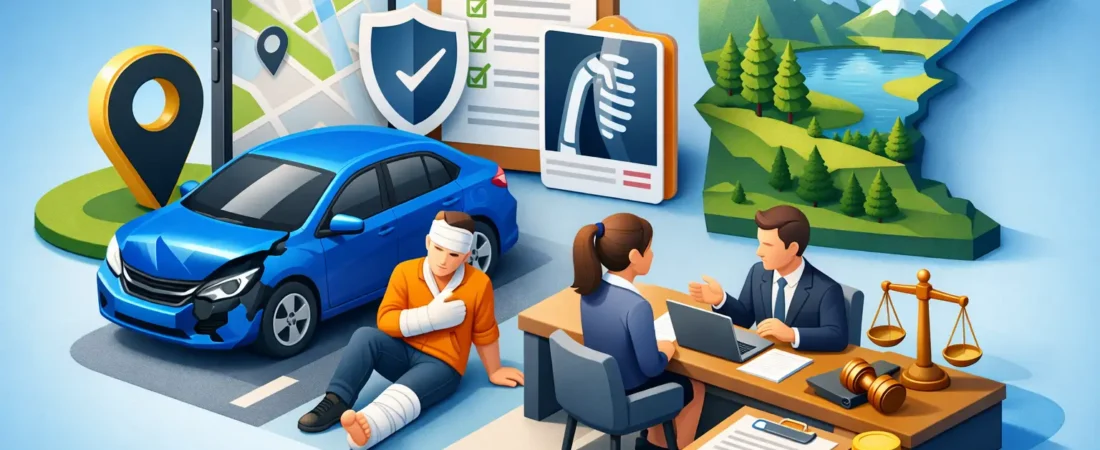
An Uber or Lyft crash can leave you dealing with pain, missed work, medical appointments, and a confusing stack of insurance questions. Knowing how to file a rideshare injury claim quickly can protect the benefits and compensation you may need. In Minnesota, the answer is rarely as simple as filing one claim with Uber, Lyft, or the other driver’s insurer.
Your own no-fault coverage may be the first source of payment for medical expenses and wage loss. At the same time, the rideshare driver’s insurance, another driver’s policy, and the rideshare company’s coverage may all matter. The right steps after the crash can make a major difference.
Get Medical Care and Report the Crash
Your health comes first. Seek medical attention as soon as possible, even if you believe your injuries are minor. Neck, back, head, and soft-tissue injuries can become more painful in the days following a collision. Prompt care also creates medical records that connect your injuries to the crash.
If law enforcement came to the scene, ask how to obtain the accident report when it becomes available. If police were not called, report the collision to the appropriate agency if you can do so safely. A formal report can identify the drivers, vehicles, witnesses, insurance information, and initial details of what happened.
You should also report the crash through the Uber or Lyft app if you were a passenger. Keep the trip receipt and confirmation screen. The trip record may show the driver’s name, vehicle, route, pickup and drop-off times, and whether the driver was actively transporting you when the collision occurred.
How to File a Rideshare Injury Claim Step by Step
A rideshare claim starts with gathering the facts before insurance companies shape the story for you. You do not need to solve every coverage question at the crash scene, but you should preserve the information that helps establish what happened and how the injuries have affected you.
Preserve the evidence while it is available
Take photographs of the vehicles, damage, roadway conditions, traffic signals, visible injuries, and the surrounding area if you are able. Save screenshots from the rideshare app, including trip details, driver information, messages, and receipts.
Get names and contact information for witnesses. If a nearby business, residence, or traffic camera may have captured the collision, act quickly. Video footage is often erased or recorded over within days or weeks. An attorney can send preservation requests when video, vehicle data, or app records may be important.
Keep every document connected to the injury. That includes emergency room records, clinic notes, prescriptions, therapy bills, mileage to appointments, work restrictions, and proof of missed income. A short daily journal can also help document pain, sleep problems, missed activities, and changes in your ability to work or care for your family.
Notify your own auto insurer about no-fault benefits
Minnesota is a no-fault state. In most cases, your own auto policy provides Personal Injury Protection, commonly called PIP or no-fault benefits, even when someone else caused the collision. PIP may help cover medical expenses, wage loss, replacement services, and certain other losses, subject to policy limits and Minnesota law.
This applies in many rideshare crashes, including when you were an Uber or Lyft passenger. If you do not have your own auto insurance, coverage may be available through a resident relative’s policy or another applicable policy. Do not assume you have no benefits simply because you were not driving.
Notify the insurer promptly and provide basic, accurate information. You should not guess about fault, minimize symptoms, or agree to a recorded statement before understanding your rights. The insurer may request records and forms, but you are entitled to ask questions and get legal guidance before signing broad authorizations.
Identify the available liability coverage
The available liability coverage can depend on the rideshare driver’s status at the time of the crash. If the driver was carrying a passenger or driving to pick one up, Uber or Lyft may provide substantial insurance coverage. If the driver was logged into the app but waiting for a ride request, a different layer of coverage may apply. If the driver was off the app, the driver’s personal auto policy may be the primary source of coverage.
There may also be a claim against another at-fault driver. For example, if another motorist ran a red light and struck the Lyft vehicle, that motorist’s insurance could be responsible for damages not covered by no-fault benefits.
These coverage issues matter because Minnesota injury claims can involve several insurers, each looking for a reason to limit its payment. A rideshare company’s insurer may point to the driver’s policy. The driver’s insurer may argue that commercial activity affects coverage. You should not have to sort through those disputes while recovering from an injury.
Document losses beyond the first medical bill
A claim is not limited to the ambulance bill or initial clinic visit. Your damages may include ongoing treatment, physical therapy, lost wages, reduced earning ability, medication costs, and the practical help you need at home while injured.
Minnesota no-fault law also has rules about when an injured person can pursue pain and suffering damages from the at-fault party. The details depend on the nature and severity of the injury, including factors such as medical expenses, disability, permanence, disfigurement, or death. An early legal review can help determine whether your case meets the applicable threshold and which claims should be pursued.
Avoid These Common Rideshare Claim Mistakes
Insurance companies may contact you quickly, sometimes before you know the full extent of your injuries. A fast call can feel helpful, but it can also create problems if you make a statement while you are medicated, in pain, or missing key information.
Be cautious about accepting an early settlement. Once you sign a release, you generally cannot return for more money if your symptoms worsen or treatment lasts longer than expected. This is especially risky with concussions, back injuries, and joint injuries that may not be fully understood in the first few days.
Do not post details of the accident, your injuries, or your activities on social media. Insurers may review public posts and attempt to use a photo or comment out of context. Also, keep all medical appointments when possible. Gaps in treatment can give an insurer an argument that your injuries were not serious or were caused by something else.
When a Minnesota Rideshare Injury Lawyer Can Help
You may benefit from legal help if your injuries require more than brief treatment, you have missed work, fault is disputed, or more than one insurance company is involved. Legal representation is also valuable when an insurer delays PIP benefits, requests an examination, pressures you to settle, or denies responsibility based on the rideshare driver’s app status.
A Minnesota rideshare injury lawyer can gather the accident report, app records, witness statements, medical evidence, and available video. They can communicate with the insurers, calculate the losses that belong in your claim, and prepare the case for settlement or trial if the insurer refuses to be fair.
Best Injury Lawyer Minnesota offers free case reviews and works on a contingency-fee basis, meaning there is no upfront attorney fee. We handle the insurance companies and paperwork so you can focus on healing.
After a rideshare crash, do not let uncertainty or an insurer’s timeline control your next move. Preserve what you can, get the care you need, and ask for help before signing away rights that may be far more valuable than an early settlement offer.