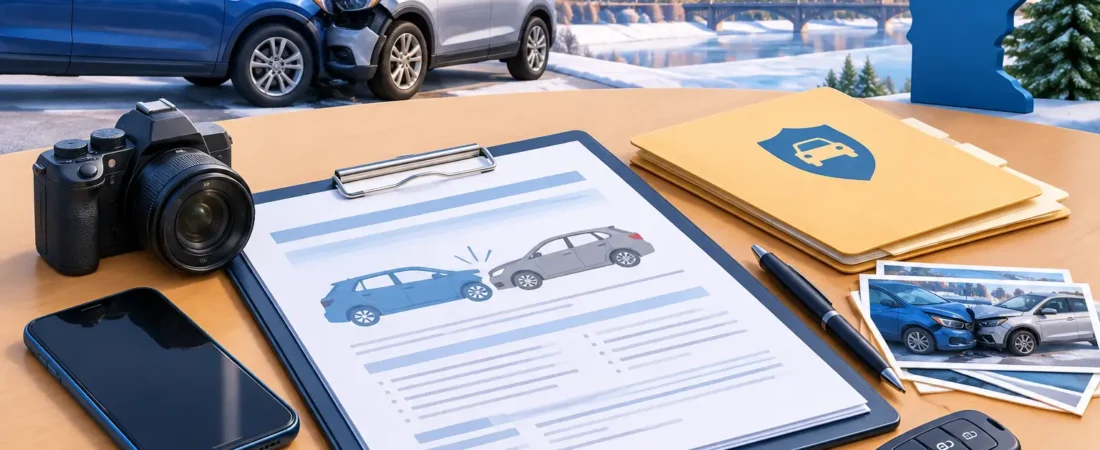
The insurance adjuster may call before you have made it home from the emergency room. They may sound helpful, but they are already building a file around the facts they can document. Essential collision documents give your side of the story a place in that file. They help show how the crash happened, what injuries it caused, and what the accident has cost you.
After a Minnesota car, motorcycle, pedestrian, or rideshare accident, paperwork can feel like the last thing you should worry about. Your health comes first. Still, saving the right records early can prevent an insurance company from questioning your treatment, minimizing your lost income, or blaming you for a collision you did not cause.
Essential Collision Documents for a Minnesota Claim
You do not need a perfect folder on the day of the crash. Start by saving what you have, then add records as they become available. Keep paper copies in one place and take clear photos or scans as a backup. Avoid editing photos, screenshots, or videos. Original files can carry useful date, time, and location information.
The most useful records usually include the following:
- Police report or crash report information. Save the report number, responding agency, officer name, and any driver exchange sheet you received. The report may identify involved vehicles, witnesses, road conditions, statements, and possible citations.
- Photos and video from the scene. Photograph vehicle positions, damage, skid marks, debris, traffic signals, weather, road hazards, visible injuries, and the surrounding area. Preserve dashcam footage before it records over itself.
- Driver and insurance information. Keep the other driver’s name, contact information, license plate, insurance carrier, and policy information. For rideshare crashes, save screenshots showing whether the trip was active and which company was involved.
- Witness information. Names and phone numbers matter. A neutral witness can be especially valuable when drivers tell conflicting stories later.
- Medical records and bills. Save ambulance records, emergency room paperwork, imaging results, prescriptions, therapy notes, referrals, medical bills, and explanation of benefits statements.
- Proof of missed work and income. Keep pay stubs, a letter from your employer confirming missed time, tax records if you are self-employed, and notes showing dates you could not work.
- Vehicle and out-of-pocket expense records. Preserve repair estimates, towing bills, storage charges, rental costs, damaged property receipts, and transportation expenses for medical appointments.
- Insurance letters and claim communications. Save claim numbers, letters, emails, text messages, recorded statement requests, and settlement offers from every insurer involved.
Not every document will apply to every case. A pedestrian may have no vehicle repair records, for example, but may need records from nearby businesses or homes with security cameras. A motorcyclist may need to preserve helmet, gear, and motorcycle damage evidence. The goal is not to drown in paperwork. It is to preserve the proof before it disappears.
Why These Records Matter Under Minnesota No-Fault Coverage
Minnesota’s no-fault system generally allows injured people to seek Personal Injury Protection, or PIP, benefits through their own auto policy, regardless of who caused the crash. These benefits may help with reasonable medical expenses and certain wage-loss or replacement-service losses, subject to policy terms and coverage limits.
That does not mean the process is automatic. Your PIP insurer may ask for treatment records, wage verification, forms, and medical authorization requests. If your injuries become serious enough to support a claim against the at-fault driver, the evidence required can become even more detailed.
Medical paperwork is particularly important. Insurers often look for gaps in treatment, preexisting conditions, or delayed complaints of pain as reasons to challenge a claim. There are legitimate reasons someone may delay care – shock, lack of transportation, a primary care appointment backlog, or symptoms that worsen over time. But clear records help explain the timeline instead of leaving room for an insurer to make assumptions.
A crash report also has limits. It can be useful, but it is not the final word on fault. Officers arrive after the impact and must rely on physical evidence and statements. Photos, video, witness accounts, vehicle damage, and accident reconstruction evidence may tell a fuller story.
What to Do in the First Week After a Crash
If you are physically able, write down your own account of the collision while the details are fresh. Include where you were coming from, your lane of travel, traffic signals, speed, weather, what you saw before impact, and what anyone said afterward. Do not guess. If you are unsure, say so.
Get medical attention when you are hurt or experiencing symptoms. Follow through with recommended care, and tell your provider about every symptom you are experiencing. This is not about creating a claim. It is about getting appropriate treatment and making sure your medical record accurately reflects the effects of the crash.
Notify your own insurer promptly, but be careful when speaking with the other driver’s insurer. You can provide basic identifying information, but you are not required to speculate about fault, give a recorded statement on demand, or accept a quick settlement before you understand your injuries. A settlement may require you to give up future claims, even if your condition turns out to be more serious than expected.
If there may be video evidence, act quickly. Nearby businesses, apartment buildings, buses, and private vehicles may have footage, but many systems automatically delete recordings within days. A lawyer can send preservation requests and begin investigating before key evidence is lost.
Keep Insurance Communications From Controlling Your Case
Insurance companies use documents to evaluate claims. You should too. Create a simple log with the date, time, name, and subject of every call. Save voicemails. Screenshot text messages. Do not rely on memory when an adjuster says they never received a document or disputes what was discussed.
Be cautious with broad medical releases. An insurer may request access to years of unrelated records in hopes of finding a reason to blame your symptoms on something other than the crash. Whether a release is appropriate depends on your injuries, medical history, and the specific request. You do not have to make that decision alone.
Social media can also become part of the insurer’s file. A single photo from a family event may be used to suggest you are not injured, even when it says nothing about your pain, limitations, or recovery. Consider limiting public posts about the collision, your health, and your activities while the claim is pending.
When Missing Documents Should Not Stop You From Calling a Lawyer
Many injured people wait because they think they need every record before speaking with an attorney. That delay can hurt more than it helps. A lawyer can obtain reports, request medical records, identify available insurance coverage, communicate with adjusters, and protect evidence while you focus on healing.
This is especially true after a hit-and-run, a crash involving an uninsured driver, a commercial vehicle collision, or an Uber or Lyft accident. Those cases may involve multiple insurance policies, separate companies, and disputes over coverage. The right documents still matter, but you should not have to chase them while managing pain, appointments, and missed work.
At Best Injury Lawyer Minnesota, injured clients can get direct guidance on what to preserve and what the insurance companies need to see. There is no upfront fee for a case review, and the firm handles the claims process on a contingency-fee basis.
Put the records you have in a folder, write down what you remember, and get help before an insurer’s version of the crash becomes the only version in the file. You do not have to face the paperwork or the pressure alone.